
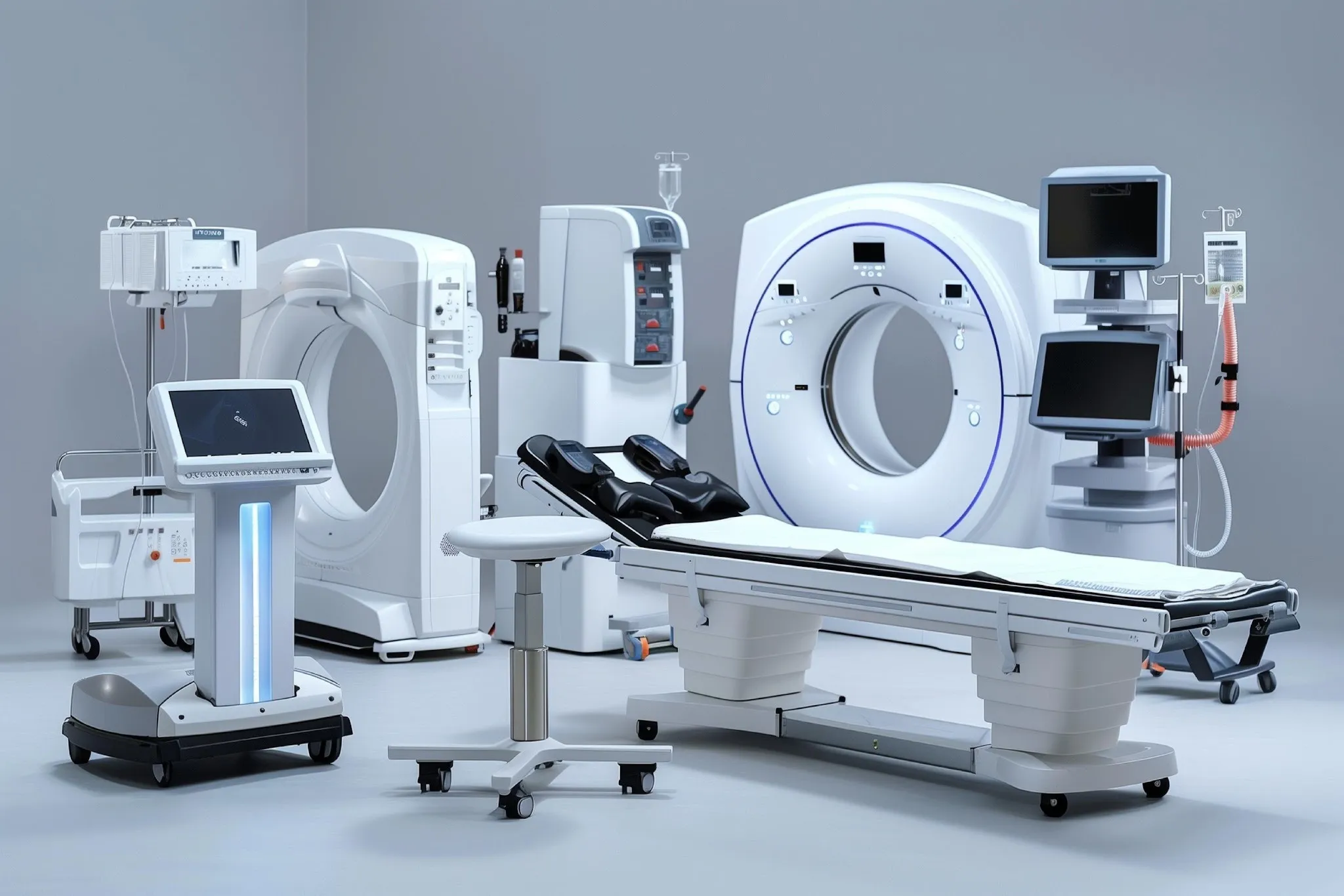
The healthcare sector requires modernized medical technology to offer quality care services to patients while ensuring efficient operations within their clinics. Unfortunately, buying high-cost devices is not only costly but may prove difficult for some firms. Many health practitioners have compared the benefits and drawbacks of leasing versus medical equipment rental financing. Both methods allow clinics to enjoy the use of technology without making large cash payments. Nevertheless, the two approaches vary in several ways.
Renting Medical Devices Through Financing
The term medical equipment rental financing refers to the possibility for medical centers to hire equipment over a certain period of time and at the same time being able to pay off the main cost through as little as monthly instalments. Instead of purchasing highly expensive machines in one go, healthcare providers have instant access to the technology they need, while at the same wouldn’t get their cash flow disrupted. Quite a few medical centers get medical equipment rental financing through these means, for example, for imaging machines, patient monitoring devices, diagnostic tools, and temporary equipment acquisition. This way of financing is particularly ergonomic for those medical facilities that are after more flexibility and also ease of doing their equipment upgrades.
Understanding Equipment Leasing
Equipment is often seen as a product that can be leased for long periods of time, which makes it ideal for many clinics. Both leasing and financing through the use of rental payments can allow clinics to limit initial costs associated with using that particular piece of equipment. For clinics that intend to use the same piece of equipment for a prolonged time, they are generally going to end up choosing to lease the piece instead of renting it. Because leasing typically has longer contracts and less flexibility when making changes to your contract than renting, clinics tend to prefer leasing for items that will be used for a long period of time.
Comparison of Cost and Cash Flow
Affordability is one of the most significant advantages of medical equipment rental financing. Instead of having to make a huge payment upfront, they will be making smaller payments on a monthly basis. It becomes easier for the medical institutions to maintain positive cash flow and manage all their other expenditures. However, while renting medical equipment might not prove to be very costly compared to buying upfront, the longer the lease period is, the more stringent the financial requirements become. Loans for medical equipment, therefore, appears more advantageous when it comes to retaining liquidity in clinics.
Flexibility and Technology Upgrades
Medical technology evolves rapidly, and using old devices can negatively impact the quality of patient care. Flexibility is among the major factors why healthcare professionals decide to opt for medical equipment rental financing. Since they will have shorter terms when renting medical equipment, it will be easy for them to swap their equipment for newer models that are technologically advanced. Sometimes, leasing contracts don’t allow for upgrade options as the clinic has to use the equipment for an extended period. For those who wish to be equipped with the latest medical technology, rental financing for medical equipment might be the most appropriate solution.
Long Term Value and Ownership
Owning and leasing equipment can be an option for a clinic that intends to utilize a piece of equipment for a long time; however, you will need to be aware that owning your equipment has some maintenance responsibilities and may face obsolescence. Some leasing agreements allow providers the option of purchasing equipment at the end of the lease; a leasing agreement can create long-term ownership advantages for a provider. Conversely, medical equipment rental financing is a good option for those clinics that are looking for flexibility and do not want to be tied to antiquated technology, and desire to be able to manage financial obligations.
Selecting the Correct Option
The correct decision will be influenced by the budget, growth considerations, and equipment utilization requirements of the clinic. Where a clinic requires flexibility, upgrade capability, and reduced financial obligations, medical equipment rental financing can be beneficial. Alternatively, leasing may be a good option for facilities that require extended use of their medical equipment and intend to own the equipment eventually. Generally, medical equipment rental financing is used in clinics to facilitate cost management.
Conclusion
Leasing and medical equipment rental financing are two financial solutions that prevent clinics from getting huge equipment costs upfront while enabling them to upgrade their facilities with better technology. Nevertheless, each option can address different financial and operational needs of the clinic. Those who desire maximum flexibility, frequent equipment upgrades, as well as small and easily budgeted monthly payments will definitely do well with medical equipment rental financing. However, providers who are willing to keep the same piece of equipment for a long time and eventually own it will most probably opt to. Similarly, cash flow considerations, equipment lifespan, and planning future requirements are some powerful measures that clinics can use to decide on the best financial solution for them.