
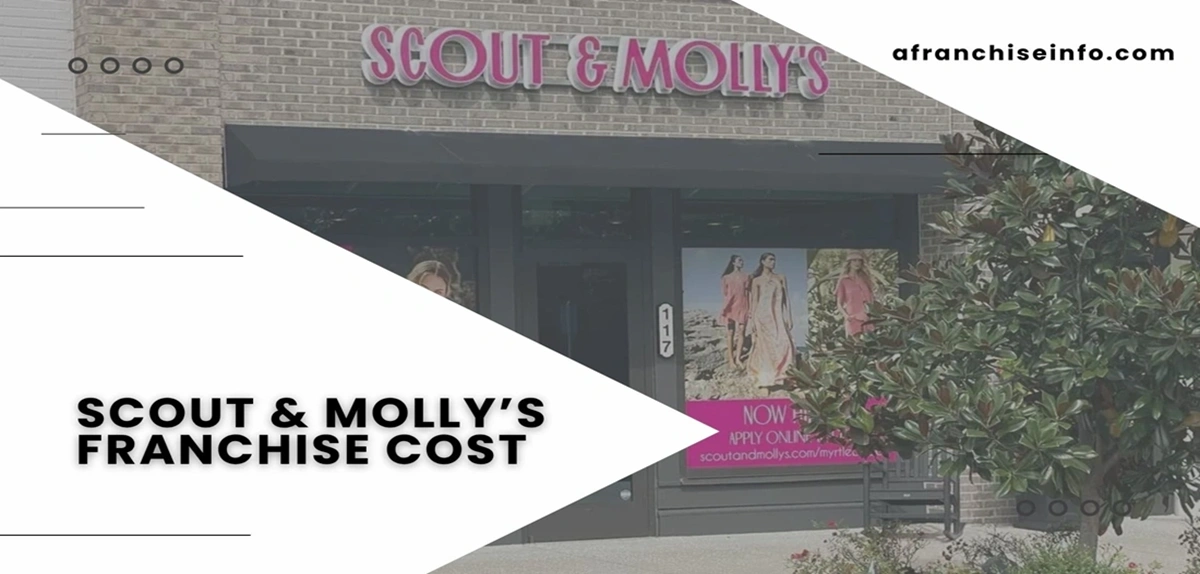
Introduction: Why Scout & Molly’s Is a Strong Franchise Opportunity
Imagine merging your love for fashion with a business model that supports entrepreneurs who want to open stylish, community-centered boutiques. That is exactly what Scout & Molly’s Boutique offers — a curated, women-focused retail experience with a friendly and personalized shopping feel.
In today’s world, brick-and-mortar boutiques continue to have appeal: customers appreciate hands-on product selection, face-to-face service, and a curated fashion assortment. Meanwhile, the global fashion retail market remains robust. According to Statista, the global apparel market is projected to cross $2.25 trillion in value by the late 2020s, driven by growing consumer demand for both fast fashion and high-quality niche retailers.
At the same time, the franchise model remains a powerful vehicle for retail growth. According to data from franchise-industry analysts, fashion retail remains among the most scalable and attractive sectors for entrepreneurs seeking to build a local business with national support.
Against this backdrop, Scout & Molly’s provides a unique and compelling business opportunity: a fashion boutique brand with systems, merchandise support, and strong potential for profitability and long-term growth.
The Market Landscape & Brand Story
Fashion Franchise Industry Context
-
The fashion franchise market continues to expand as more entrepreneurs choose brands with established supply chains and store formats.
-
Consumers are increasingly drawn to boutique and specialty retail formats that offer a curated experience versus large department stores.
-
Social media, influencer trends, and local personalization fuel demand for in-store fashion expertise.
-
Franchising allows boutique brands to scale rapidly while offering franchisees proven business processes, inventory systems, and marketing frameworks.
The Story of Scout & Molly’s
-
Scout & Molly’s was conceived with a mission to bring warm, inviting boutique experiences to communities — offering women’s clothing, handbags, accessories, and jewelry in a curated, stylish environment.
-
Since it began franchising in the mid-2010s, the brand has steadily grown, with more than 20 franchise locations reportedly in operation.
-
The franchisor provides comprehensive support: from site selection to training to marketing, helping franchisees launch and run boutiques successfully.
Business Model of Scout & Molly’s Boutique
Scout & Molly’s operates as a boutique fashion retail franchise. Its core business components include:
-
Physical Store Presence: Stores are typically located in high-visibility retail centers, malls, or street-front locations, designed to be welcoming and stylish.
-
Merchandise Mix: A carefully curated product line that includes women’s apparel, jewelry, handbags, and accessories, updated seasonally.
-
Customer Experience: Personalized style advice, warm service, and a boutique atmosphere designed to build loyalty.
-
Franchise Support: The franchisor helps with training, store design (fixtures & layout), operations, inventory sourcing, and local marketing.
-
Inventory System: Centralized purchasing or negotiated vendor relationships to maintain consistent quality and margin control.
Investment Breakdown: What Does It Cost to Open One?
Here is a detailed breakdown of the typical costs required to open a Scout & Molly’s boutique franchise.
Initial Capital Requirements
| Expense Category | Estimated Cost Range |
|---|---|
| Franchise Fee | $60,000 |
| Initial Inventory | $45,000 – $60,000 |
| Lease / Deposit | $12,000 – $20,000 |
| Build-out / Fixtures / Signage | $94,000 – $129,000 |
| Equipment & POS | $4,000 – $6,000 |
| Permits & Licenses | $500 – $7,500 |
| Training (Travel + Lodging) | $1,500 – $3,500 |
| Opening Marketing & Launch | ~$6,000 |
| Store Build-Out Management | ~$16,000 |
| Working Capital (3 months) | ~$70,000 |
Estimated Total Investment: Approximately $319,000 to $388,000, depending on location, build-out costs, and inventory needs.
Liquidity and Financial Criteria
-
Potential franchisees may need liquid capital in the range of $225,000 (or similar) to qualify.
-
Net worth requirements are also likely substantial, ensuring the owner can sustain the investment through build-out and early operations.
Ongoing Financial Commitments
-
Royalty Fee: Around 6% of gross sales.
-
Advertising / Brand Fund: Close to 1% of gross sales.
-
Other potential variable costs: local marketing, labor, rent, inventory replenishment.
Profitability, Revenue Forecast & ROI
Revenue Potential
Based on industry estimates and franchise performance benchmarks:
-
Annual gross revenue for a Scout & Molly’s boutique may be around $1 million or more, depending on size, traffic, and local demand.
-
Given the curated product mix, boutiques have the potential for strong average transaction values compared to discount retailers.
Profit Margin Assumptions
-
Retail fashion boutiques typically operate with moderate net margins. Taking account of cost of goods, labor, rent, royalties, and other fixed costs, a 10–15% net margin is a reasonable assumption for a well-managed location.
-
High-margin accessory and handbag sales may boost profitability during peak seasons.
Return on Investment (ROI) & Payback Period
-
With an initial investment of $319,000–$388,000 and good revenue performance, the payback period could span 4 to 7 years, assuming consistent sales and managed overhead.
-
Multi-unit ownership (opening more than one boutique) could improve ROI by sharing fixed startup costs, reducing per-store build-out burden, and leveraging purchasing volumes.
Comparison with Competing Boutique or Fashion Franchises
To understand Scout & Molly’s potential, it helps to compare it to similar franchised retail models:
| Competitor | Franchise Investment Range | Model / Focus | Strengths |
|---|---|---|---|
| Uptown Cheapskate | ~$328K – $597K | Resale boutique for second-hand fashion | Eco-friendly, lower cost inventory, strong resale appeal |
| Style Encore | ~$323K – $449K | Resale / consignment women’s and men’s fashion | Sustainable fashion, pre-owned inventory model |
| Generic Fashion Chains (non-franchise) | Varies heavily | Traditional fashion retail | High brand presence, but higher risk / capital |
| Online Fast Fashion | Very low overhead | E-commerce | Broad reach, but lacks physical presence and brand stability |
Scout & Molly’s Advantages:
-
Focused on new, curated fashion, not resale
-
Boutique-style experience that appeals to loyal shoppers
-
Structured franchise support system
-
Relatively moderate build-out vs large retail fashion chains
Growth & Expansion Opportunities
U.S. Expansion Potential
-
Scout & Molly’s appears to support multi-unit development, meaning franchisees can expand within a region.
-
The boutique model can thrive in suburban, regional shopping locations, or high-foot-traffic mixed-use areas.
-
As the brand matures, larger franchisees could develop a portfolio of 2–5 stores or more.
International Opportunities
While Scout & Molly’s currently focuses on U.S. franchising, potential international expansion paths could include:
-
Licensing or master franchising in select countries.
-
Smaller-format boutique stores in urban markets abroad.
-
Partnerships with local retailers or fashion groups.
Given global fashion trends and consumer appetite for curated boutiques, future international expansion could be a viable long-term strategy.
Step-by-Step Guide to Applying for a Scout & Molly’s Franchise
Here’s a practical roadmap for prospective franchisees interested in Scout & Molly’s.
-
Initial Inquiry
-
Submit a franchise information request or inquiry through the franchise development team.
-
Provide basic personal, financial, and background information.
-
-
Pre-Qualification
-
Confirm financial eligibility, including liquid capital and net worth.
-
Submit proof of funds and potentially business plans or prior business experience.
-
-
Receive and Review the FDD
-
The franchisor sends a detailed Franchise Disclosure Document (FDD).
-
Review fees, costs, earnings claims, territory rights, training details, and contractual obligations.
-
-
Discovery Day
-
Attend a Discovery Day (in person or virtual) to meet corporate leadership and existing franchise owners.
-
Tour a flagship or operating location, learn about merchandising, and understand day-to-day operations.
-
-
Territory Selection & Business Plan
-
Work on site selection with franchisor guidance (or independently if allowed).
-
Create a business plan and financial projections, estimating revenue, expenses, and cash flow.
-
-
Sign Franchise Agreement & Funding
-
Negotiate and sign the franchise agreement.
-
Pay the franchise fee as required and secure funding (personal capital, loans, or investors).
-
-
Training & Store Build-Out
-
Attend the training program (classroom + on-site).
-
Begin build-out: order fixtures, shop layout, signage, lighting, point-of-sale systems.
-
-
Grand Opening & Marketing Launch
-
Execute a grand opening strategy using franchisor-provided marketing resources and local promotion plan.
-
Launch inventory, hire staff and open for business with customer events or community engagement.
-
-
Ongoing Operations & Scale
-
Use franchisor’s merchandising recommendations, inventory management, and purchasing relationships.
-
Monitor performance, adjust marketing, and consider expanding to additional units.
-
Risk Analysis & Considerations
Owning a Scout & Molly’s boutique carries both opportunity and risk.
-
Real Estate Risk: Finding a location with the right demographics and foot traffic is critical, and retail leases can be expensive.
-
Inventory Risk: Fashion is seasonal, and unsold inventory or markdowns can hurt profits.
-
Labor Costs: Boutique sales associates, management, and staffing contribute meaningfully to overhead.
-
Trends and Fashion Risk: Consumer preferences can shift quickly; staying on trend is essential.
-
Competition: Other franchise boutiques, large fast-fashion chains, and online retailers compete aggressively.
-
Capital Risk: A high initial investment and ongoing capital needs may be challenging for some investors.
-
Scaling Complexity: Growing beyond one unit requires more capital, management bandwidth, and operational discipline.
Frequently Asked Questions (FAQ)
Q1: How much does it cost to open a Scout & Molly’s Boutique franchise?
The estimated total startup cost is between $319,000 and $388,000, covering franchise fee, store build-out, initial inventory, training, and working capital.
Q2: Is there a franchise fee for Scout & Molly’s?
Yes. The franchise fee is approximately $60,000.
Q3: What are the ongoing royalty and advertising fees?
Royalty fees are around 6% of gross sales, and there’s an additional ~1% contribution to an advertising or brand fund.
Q4: Do I need prior experience in fashion retail to open this franchise?
No. While retail experience helps, the franchisor provides training, systems, and ongoing operational support to help franchisees run their boutiques successfully.
Q5: Can I open multiple Scout & Molly’s locations?
Yes. The franchisor typically offers multi-unit development opportunities, allowing franchisees to open more than one boutique in a geographic area.
Conclusion & Call to Action
Scout & Molly’s Boutique franchise presents a unique opportunity: combine your entrepreneurial drive with a fashion-forward, community-rooted retail concept. With a meaningful initial investment, strong earning potential, and solid franchisor support, it’s a franchise that balances style and business.
If you’re passionate about retail, enjoy fostering personalized customer experiences, and want to own a boutique that resonates with your community—your next step is clear. Begin by requesting franchise information, reviewing the FDD, and scheduling a Discovery Day. Let Scout & Molly’s empower you to build your own local fashion brand with a proven, scalable model.
Take the leap today: research, plan, and join the Scout & Molly’s family as a fashion-savvy business owner!
visit also : Mathnasium Franchise
