
Introduction
Running a successful hospitality business requires careful coordination between the kitchen team, front-of-house staff and the equipment they use every day. When orders arrive during a busy lunch service or a fully booked evening, every appliance and workstation needs to perform reliably. The right catering equipment helps businesses prepare food efficiently, maintain consistent standards and manage demanding service periods.
For restaurants, hotels, pubs, cafés and institutional catering facilities, choosing suitable equipment is an important investment in daily operations. It is not simply about purchasing ovens or refrigeration units. Businesses also need to consider installation, kitchen layout, ventilation, maintenance and the practical requirements of their menus.
Understanding the Needs of a Professional Kitchen
Every catering business has its own operating requirements. A neighbourhood café may need compact refrigeration and reliable cooking appliances, while a hotel kitchen might require several preparation stations and equipment capable of supporting multiple food services throughout the day.
Before investing in new equipment, managers should assess how their kitchen operates. The menu, number of meals served, available floor space and staffing arrangements all influence the most appropriate choices.
For businesses searching for Catering Equipment Suppliers Shrewsbury, understanding these requirements is a useful starting point. Instead of selecting appliances individually without considering the overall setup, operators can plan an equipment package that supports their working routine.
This approach can help avoid overcrowded preparation areas, insufficient storage and appliances that cannot cope with peak demand. It also makes budgeting easier because essential purchases can be prioritised according to operational needs.
Essential Equipment for Everyday Catering Operations
Commercial kitchens rely on several equipment categories to keep food preparation and service running smoothly. Selecting the right combination helps staff complete tasks efficiently while maintaining a suitable working environment.
Cooking Appliances That Match the Menu
Cooking equipment should reflect the type of food being prepared and the volume of orders handled. Commercial ovens, microwaves, steamers and combination ovens each support different cooking requirements.
For example, a business serving baked dishes may prioritise oven capacity, while a kitchen preparing varied menus might benefit from appliances offering several cooking functions.
Capacity is particularly important during busy periods. Equipment that is too small can create delays, while unnecessarily large appliances may occupy valuable space and increase operating costs.
Managers should also consider ease of use, cleaning requirements and access to servicing when comparing different models. These practical details can influence how effectively equipment performs over its working life.
Refrigeration for Safe Ingredient Storage
Fresh ingredients require suitable storage conditions, particularly in kitchens handling meat, dairy products, seafood and prepared foods. Commercial refrigeration provides the capacity needed to support regular deliveries and daily preparation.
The choice between upright refrigerators, under-counter units and larger refrigeration systems depends on the available space and the amount of stock held.
Organisation matters just as much as capacity. Staff should be able to identify and retrieve ingredients without repeatedly moving other items. Clear storage arrangements can support stock rotation, reduce waste and make routine cleaning easier.
Businesses should also maintain appropriate temperature controls and follow food safety procedures. Regular checks and timely servicing help ensure that refrigeration equipment continues to perform as expected.
Dishwashers and Glasswashers
Washing facilities play an important role in maintaining the pace of service. Restaurants and pubs can quickly accumulate plates, glasses, cookware and utensils, especially during peak trading hours.
A suitable commercial dishwasher can help process large quantities of crockery efficiently. Glasswashers may also be useful where bars and restaurants need clean glassware throughout service.
When selecting equipment, businesses should compare loading capacity, cycle times, available space and expected demand. The surrounding layout should provide convenient access for handling dirty items and storing clean equipment.
An organised washing area can reduce unnecessary movement and help staff maintain a more orderly kitchen.
Stainless Steel Workstations and Storage
Preparation tables, sinks, cupboards and shelving provide the structure needed for everyday kitchen tasks. Stainless steel is widely used in commercial food preparation environments because it is durable and generally straightforward to clean when properly maintained.
The number and position of workstations should reflect the menu and the number of people working in the kitchen. Separate preparation areas may be appropriate for different tasks, depending on the operation and its food safety procedures.
Well-positioned storage can also help keep frequently used utensils and ingredients within convenient reach. This reduces clutter and allows staff to concentrate on preparation rather than searching for equipment.
Why Professional Kitchen Design Makes a Difference
Even excellent appliances can create problems when they are installed in an unsuitable layout. Staff may need to walk too far between preparation and cooking areas, while poorly positioned equipment can cause congestion during busy services.
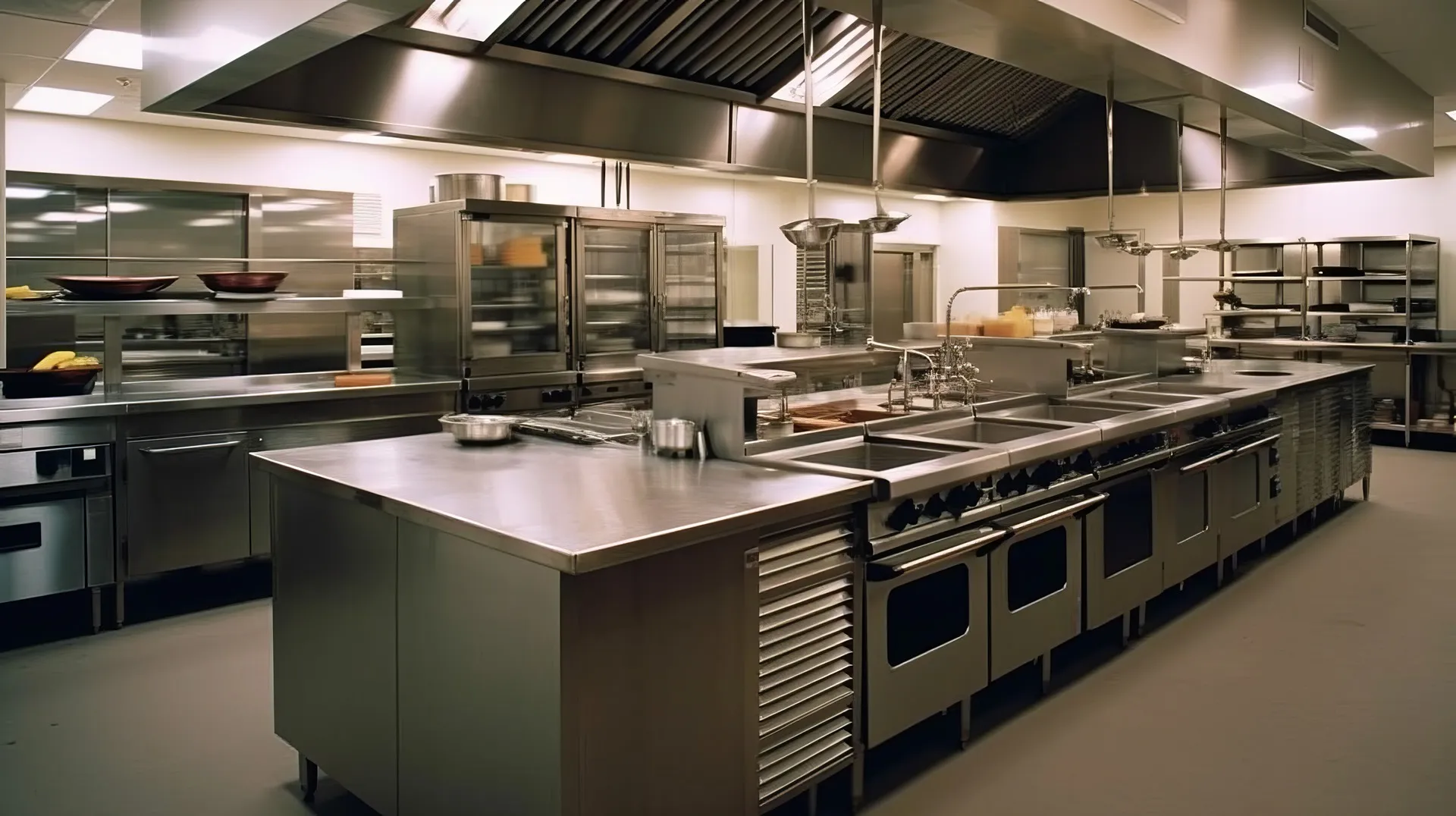
A carefully planned commercial kitchen considers how food moves through the workspace, from delivery and storage to preparation, cooking, plating and washing.
Businesses looking for Catering Equipment Suppliers Shropshire should consider whether their equipment choices will work effectively within the complete kitchen environment.
A practical design should account for:
- Workflow: Position equipment to support the natural sequence of kitchen tasks.
- Space: Allow sufficient room for staff, appliances, storage and safe movement.
- Preparation: Provide suitable work surfaces for the menu and expected workload.
- Ventilation: Consider the heat, steam, smoke and grease produced by cooking.
- Cleaning: Make equipment and surrounding areas accessible for routine hygiene tasks.
- Future requirements: Allow for potential changes to the menu, staffing or service capacity.
Planning these details before installation can reduce avoidable adjustments and help businesses make better use of their available space.
Installation Should Be Part of the Plan
Once equipment has been selected, professional installation is another important consideration. Commercial appliances may require specific electrical supplies, plumbing connections, ventilation arrangements or other supporting services.
These requirements should be reviewed before work begins. Checking access routes, connection points and equipment dimensions can help prevent delays when appliances arrive on site.
Extraction systems deserve particular attention in kitchens that produce substantial heat, smoke or grease. A suitable system should be designed around the cooking equipment, building layout and intended use, with relevant regulations and safety requirements taken into account.
PP Catering Services provides commercial catering equipment supply and installation, alongside kitchen design and extraction and ventilation services. Businesses can explore these options when planning a new kitchen or updating existing facilities.
Proper installation also helps staff use equipment as intended. Where necessary, familiarisation with operating procedures and cleaning instructions can support safer, more consistent day-to-day use.
Keeping Equipment in Good Working Condition
Equipment reliability directly affects a kitchen’s ability to serve customers. A faulty oven can disrupt the menu, while a refrigeration problem may require immediate attention to protect stored ingredients.
Regular maintenance helps identify developing faults and gives businesses an opportunity to address issues before they cause major disruption.
A sensible maintenance programme should reflect the type of equipment, manufacturer’s guidance and intensity of use. Staff can assist by keeping appliances clean, reporting unusual performance and following operating instructions.
Professional servicing and repairs may be required for more complex faults. Having access to experienced catering engineers can help businesses assess problems and arrange appropriate work.
Planned maintenance can also support budgeting by making equipment care more predictable. Although it cannot prevent every breakdown, regular attention can help reduce avoidable problems and support the long-term performance of kitchen assets.
Improving Efficiency Without Overspending
A commercial kitchen budget should account for more than the initial purchase price. Installation, energy use, maintenance, cleaning and expected service life all contribute to the overall cost of ownership.
Buying equipment solely because it is inexpensive may lead to higher expenses if it cannot handle the required workload. On the other hand, choosing premium equipment with unnecessary features may not offer meaningful benefits to a smaller operation.
The best approach is to match each purchase to a clear business requirement. Managers should identify which appliances are essential, which existing items can remain in service and which upgrades could deliver measurable improvements.
It is also useful to compare the practical benefits of different models. An appliance that improves preparation speed or reduces unnecessary work may provide value beyond its purchase price.
Experienced suppliers can help businesses review suitable options according to kitchen space, menu requirements and available budget.
Supporting Different Sectors Across Shropshire
Commercial catering equipment is used in many settings beyond traditional restaurants. Hotels, pubs, schools, care homes, health clubs and other catering facilities all require equipment suited to their daily operations.
A school kitchen may need to prepare large quantities of meals within a defined service period. A care home may place greater emphasis on consistent meal preparation and suitable food storage. A busy pub might need reliable cooking equipment and glasswashing facilities to support food and drink service.
These differences demonstrate why equipment recommendations should reflect the environment rather than follow a single standard package.
PP Catering Services supports hospitality and public-sector catering environments with commercial kitchen design, equipment supply, installation, servicing and repairs. Its services also include extraction and ventilation, planned maintenance and hygienic wall cladding.
Conclusion
Reliable catering equipment helps professional kitchens maintain service standards, organise preparation tasks and respond to changing customer demand. However, the best results come from combining suitable appliances with practical design, correct installation and ongoing maintenance.
By reviewing their operational requirements before making purchases, businesses can invest more confidently and avoid equipment that does not suit their space or workload.