
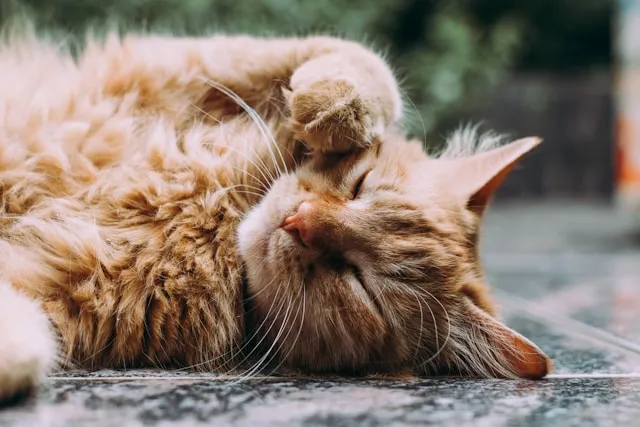
Photo by Ludemeula Fernandes on Unsplash
Introduction
A healthy digestive system plays a crucial role in your cat’s overall well-being. Beyond simply processing food, the gut influences nutrient absorption, immune function, energy levels, and even behavior. When a cat’s digestive system is functioning properly, it helps support a strong immune response and promotes better quality of life.
However, cats are often skilled at hiding discomfort, making it difficult for owners to recognize early signs of digestive imbalance. Small changes in eating habits, litter box behavior, or appearance can sometimes indicate that the gut needs additional support. Understanding these warning signs allows you to address potential concerns before they become more serious. Here are seven signs that may suggest your cat’s gut health deserves extra attention.
Frequent Digestive Upset
Occasional digestive issues can happen in any cat, especially after dietary changes or minor stomach irritation. However, frequent vomiting, loose stools, or recurring digestive discomfort may indicate an underlying imbalance in the digestive system.
A healthy gut contains beneficial bacteria that help break down food and support nutrient absorption. When that balance is disrupted, digestive symptoms can become more noticeable. If your cat experiences recurring stomach upset over an extended period, it may be worth evaluating diet quality, feeding habits, and overall digestive health with the guidance of a veterinarian.
Persistent Diarrhea
Diarrhea is one of the most common indicators that something may be affecting gut function. While short-term episodes can result from dietary indiscretions or temporary stress, ongoing diarrhea often signals a deeper issue involving digestion, food sensitivities, or microbial balance.
When supporting digestive health, some pet owners explore options such as natural probiotics for cats with diarrhea to help promote a healthier intestinal environment. Combined with veterinary recommendations and proper nutrition, digestive support strategies may help encourage more consistent stool quality and overall gastrointestinal wellness.
Changes in Appetite
A sudden loss of appetite or a significant reduction in food intake can sometimes point to digestive discomfort. Cats that feel bloated, nauseated, or uncomfortable may become less interested in meals, even when they normally have a healthy appetite.
On the other hand, some cats may appear constantly hungry because their bodies are not efficiently absorbing nutrients from food. Monitoring changes in eating behavior can provide valuable insight into what’s happening internally. Persistent appetite changes should never be ignored, particularly if accompanied by weight loss or other digestive symptoms.
Unexplained Weight Loss
Weight fluctuations can reveal important information about a cat’s digestive health. If your cat is losing weight despite eating normally, the body may not be effectively absorbing essential nutrients.
Digestive imbalances, inflammation, and certain gastrointestinal conditions can interfere with nutrient utilization. Over time, inadequate nutrient absorption may lead to muscle loss, reduced energy, and a decline in overall condition. Regularly checking your cat’s weight and body condition can help identify concerns early and support timely intervention.
Excessive Gas or Abdominal Discomfort
While cats are not known for being particularly gassy, excessive gas can indicate digestive inefficiency or an imbalance within the gut microbiome. Improper digestion may cause food to ferment in the gastrointestinal tract, resulting in bloating and discomfort.
Signs of abdominal discomfort may include restlessness, reluctance to be touched around the stomach area, unusual stretching positions, or visible signs of pain. Observing these behaviors can offer valuable clues about your cat’s digestive well-being and whether dietary adjustments may be necessary.
Dull Coat and Poor Skin Condition
A cat’s skin and coat often reflect its internal health. When the digestive system struggles to absorb nutrients efficiently, external signs may begin to appear.
Cats with compromised gut health may develop dry skin, increased shedding, dandruff, or a coat that lacks its usual shine. Essential nutrients such as proteins, fatty acids, vitamins, and minerals are critical for maintaining healthy skin and fur. If grooming habits remain normal but coat quality declines, digestive health may be one factor worth investigating.
Low Energy and Behavioral Changes
Gut health can influence more than digestion alone. When cats are not obtaining the nutrients they need, their energy levels and behaviors may change noticeably.
A cat that was once playful and active may become lethargic, withdrawn, or less interested in everyday activities. Digestive discomfort can also contribute to irritability, increased hiding, or reduced social interaction. While behavioral changes can stem from various causes, they are often an important piece of the overall health picture and should be evaluated alongside physical symptoms.
Conclusion
Your cat’s digestive system plays a central role in maintaining overall health, comfort, and vitality. Signs such as frequent digestive upset, persistent diarrhea, appetite changes, weight loss, excessive gas, poor coat quality, and reduced energy may indicate that the gut requires additional attention.
By recognizing these warning signs early, pet owners can take proactive steps to support their cat’s well-being. A balanced diet, regular veterinary care, and close monitoring of physical and behavioral changes can help promote a healthier digestive system and contribute to a happier, more comfortable life for your feline companion.